Arthroscopy Surgery
Arthroscopy Surgery is a minimally invasive surgical procedure that orthopedic surgeons use to diagnose and treat joint disorders. The best arthroscopy surgeon in Ahmedabad is a highly skilled and trained medical professional who specializes in performing arthroscopic procedures on patients.
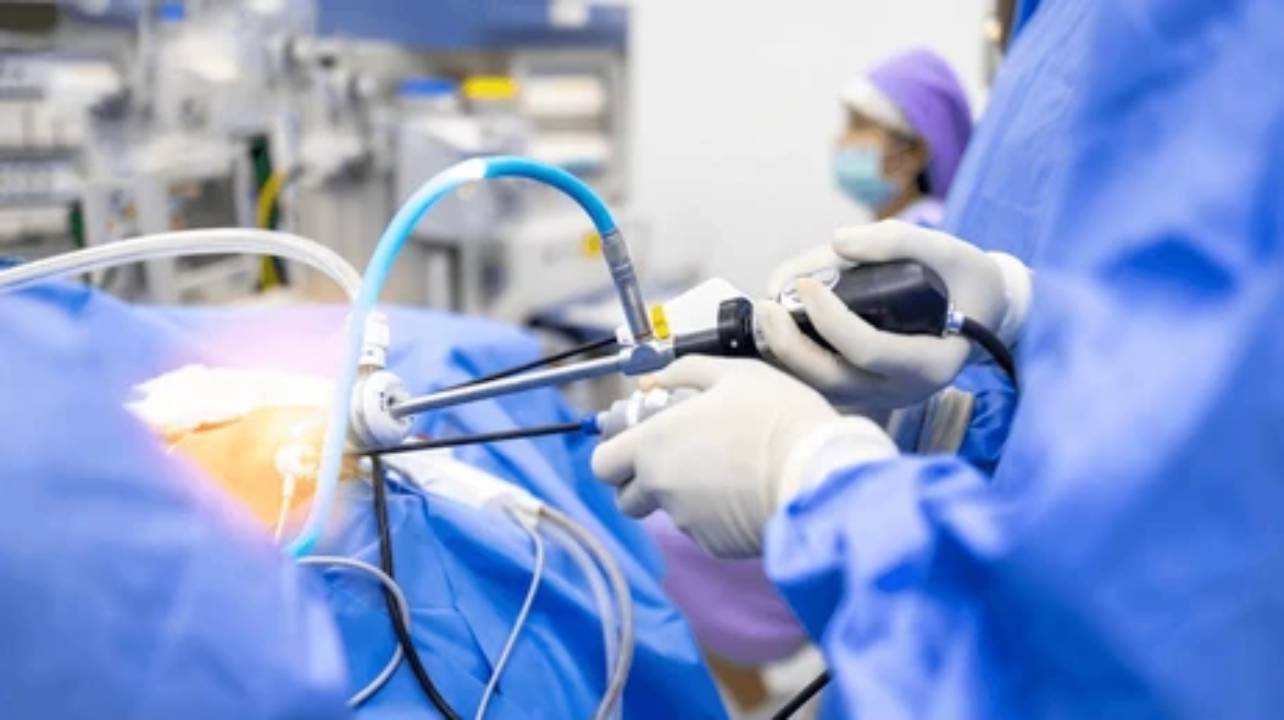
As an Arthroscopy Surgeon in Ahmedabad, the first step in my process is to conduct a thorough examination of the patient’s joint using advanced imaging technologies, such as MRI or CT scans. Once the problem is identified, the arthroscopy doctor in Ahmedabad uses a small camera known as an arthroscope, which is inserted into the joint through a small incision. The camera allows us to see inside the joint and perform a range of procedures, including the repair of damaged cartilage or ligaments, removal of bone spurs, and trimming of damaged tissue.
Arthroscopy is a minimally invasive surgical procedure used to diagnose and treat joint problems. It involves inserting a small camera (arthroscope) into the joint through tiny incisions, allowing the surgeon to view the inside of the joint on a monitor. It is commonly performed on joints such as the knee, shoulder, elbow, hip, ankle, and wrist. The procedure helps diagnose issues like cartilage damage, ligament tears, and inflammation, and can also be used to treat these problems.
Symptoms Indicating the Need for Arthroscopy
Arthroscopy may be recommended when a joint condition is suspected but not clearly diagnosed using non-invasive imaging techniques (e.g., X-rays, MRIs), or when joint pain persists despite conservative treatments. Common symptoms include:
- Persistent joint pain: Pain that does not improve with rest, medications, or physical therapy.
- Swelling: Chronic swelling or fluid buildup within the joint.
- Joint stiffness: Limited range of motion, difficulty bending or straightening the joint.
- Joint instability: The sensation that the joint is unstable or may “give way” during movement.
- Clicking or catching sensation: Feeling of the joint catching or locking during movement, often due to cartilage tears or loose bodies.
- Loss of function: Difficulty performing routine activities due to joint pain or mechanical dysfunction.
Popular Questions
Arthroscopy is a minimally invasive procedure used to diagnose and treat joint problems using a small camera and instruments.
Commonly treated joints include the knee, shoulder, elbow, wrist, ankle, and hip.
It’s used for treating ligament tears, cartilage damage, joint inflammation, loose bone or cartilage fragments, and impingement.
Arthroscopy involves smaller incisions, less pain, faster recovery, and lower risk of complications compared to open surgery.
Mild pain or discomfort may occur post-surgery, but it's usually well managed with medication and rest.
Recovery varies based on the joint and procedure but typically ranges from a few weeks to a few months.
Yes, physical therapy is often essential to restore movement, strength, and joint function after surgery.
Limited use is often allowed after a few days, but full weight-bearing or activity depends on the joint and type of repair.
Risks are minimal but can include infection, stiffness, bleeding, or blood clots, though complications are rare.
It can provide lasting relief and correction, especially when combined with proper rehab and care, though outcomes vary by condition.