Bankart Repair
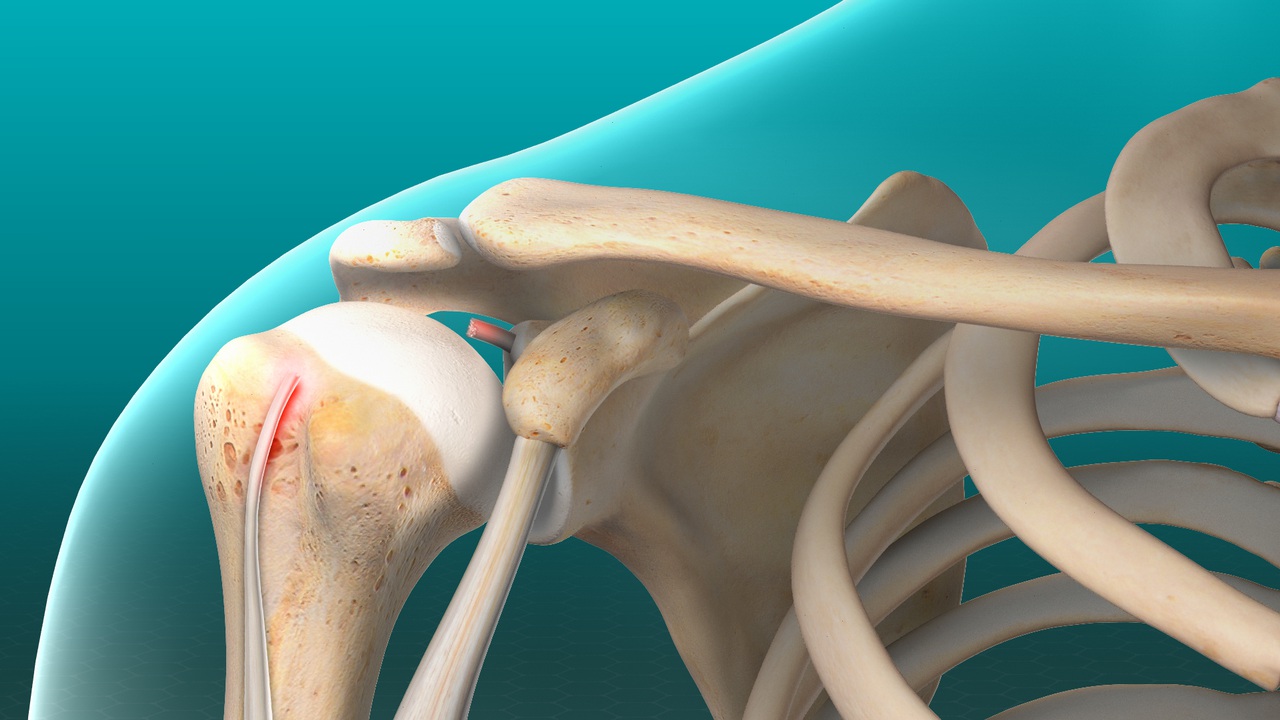
Bankart repair is a surgical procedure performed to address recurrent shoulder dislocations. The shoulder is a ball-and-socket joint, where the humeral head (ball) fits into the glenoid cavity (socket). Recurrent dislocations often result from a Bankart lesion, where the labrum (a soft cartilage rim around the socket) tears and causes instability. This procedure is designed to reattach the labrum and tighten the shoulder ligaments, restoring stability.
Symptoms of Bankart Repair
- Frequent shoulder dislocations: Recurrent episodes of the shoulder popping out of its socket, often from minor movements.
- Pain: Pain during or after dislocation and in activities that stress the shoulder.
- Feeling of instability: The sensation that the shoulder is loose or might dislocate with certain movements.
- Weakness: Difficulty in lifting or holding objects due to instability.
- Limited range of motion: Difficulty raising the arm or performing overhead movements.
Popular Questions
Bankart Repair is a surgical procedure to fix a torn labrum in the shoulder, usually after recurrent dislocations.
It’s needed when the labrum (a rim of cartilage) is torn from the socket, causing shoulder instability and repeated dislocations
The torn labrum is reattached to the shoulder socket using small anchors and sutures, often via arthroscopic (keyhole) surgery.
No, it’s typically a minimally invasive outpatient procedure with small incisions and a shorter recovery time.
Full recovery takes around 4–6 months, with a sling used for the first few weeks and gradual physical therapy afterward.
Most patients regain full strength and stability, especially with proper rehabilitation and post-op care.
Yes, it significantly reduces the risk of repeat dislocations and improves shoulder stability.
As with any surgery, risks include infection, stiffness, nerve injury, or failure of the repair, but these are rare with proper care.
Yes, most athletes return to sports after 4–6 months, depending on healing and shoulder strength.
Without treatment, shoulder instability may worsen, leading to chronic pain, more dislocations, and damage to the joint over time.