
Nutrition & Feeding Advice
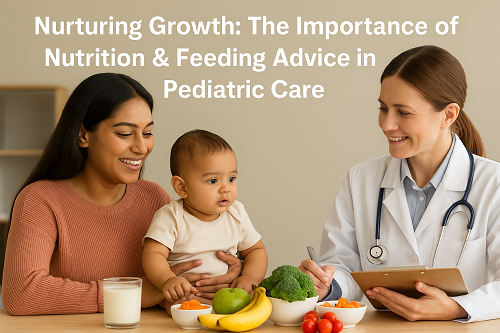
The Nutrition & Feeding Advice service provides personalized dietary guidance to support the healthy growth and development of infants, toddlers, and children. Pediatricians and nutrition experts help parents understand age-appropriate feeding practices—from breastfeeding and weaning to introducing solids and managing picky eating habits.
This service covers optimal nutrition during critical growth periods, prevention of nutritional deficiencies (like iron or vitamin D), and healthy weight management. It also addresses special dietary needs for children with food allergies, digestive issues, or chronic conditions.By promoting balanced meals and healthy eating behaviors early on, this service empowers parents to lay a strong nutritional foundation for their child's lifelong health and well-being.
Symptoms of Newborn Care & Consultation
- Poor Appetite or Refusal to Eat: Child frequently skips meals or eats very little.
- Inadequate Weight Gain or Weight Loss: Falling below expected growth percentiles.
- Excessive Weight Gain or Obesity: Rapid weight gain or BMI above normal range for age.
- Frequent Vomiting or Reflux: Recurrent spitting up after meals in infants.
- Constipation or Diarrhea: Irregular bowel habits or hard stools due to poor fiber intake.
Popular Questions
This service provides expert pediatric guidance on infant and child nutrition, covering topics such as breastfeeding, formula feeding, weaning, solid food introduction, and balanced diet planning. It helps ensure children receive the right nutrients for healthy growth and development.
You should consult a pediatric nutrition expert if your child:
- Is underweight or overweight
- Refuses to eat certain food groups
- Has digestive issues like constipation or diarrhea
- Has suspected food allergies or intolerances
- Is not gaining weight or height as expected
Nutrition advice is available for all pediatric age groups:
- Newborns (0–6 months)
- Infants (6 months–1 year)
- Toddlers and preschoolers (1–5 years)
- School-age children and adolescents (5–18 years)
Yes. Based on your child's age, weight, health condition, and preferences, pediatricians or nutritionists can provide personalized diet charts, sample meal plans, and portion recommendations.
Absolutely. Our experts offer breastfeeding support, assess latch and feeding issues, and guide you on when and how to introduce solids (weaning) safely and effectively.
Picky eating is common, but with structured approaches, children can learn to accept a wider range of foods. We offer behavioral and nutritional strategies to reduce mealtime struggles and promote variety.
Yes. If food allergies or intolerances are suspected, our team can help identify triggers, recommend elimination diets, and ensure your child still receives balanced nutrition.
Yes. We provide balanced plant-based nutrition plans for families following vegetarian or vegan lifestyles, ensuring all essential nutrients (like protein, iron, calcium, and B12) are covered.
Consultations may be done during routine checkups or as needed—especially during transitions like starting solids, growth spurts, or when symptoms (e.g., weight concerns or poor appetite) arise.
Many clinics offer both options. You can visit in person or opt for teleconsultations depending on the clinic’s setup and your convenience.