PCL Reconstruction
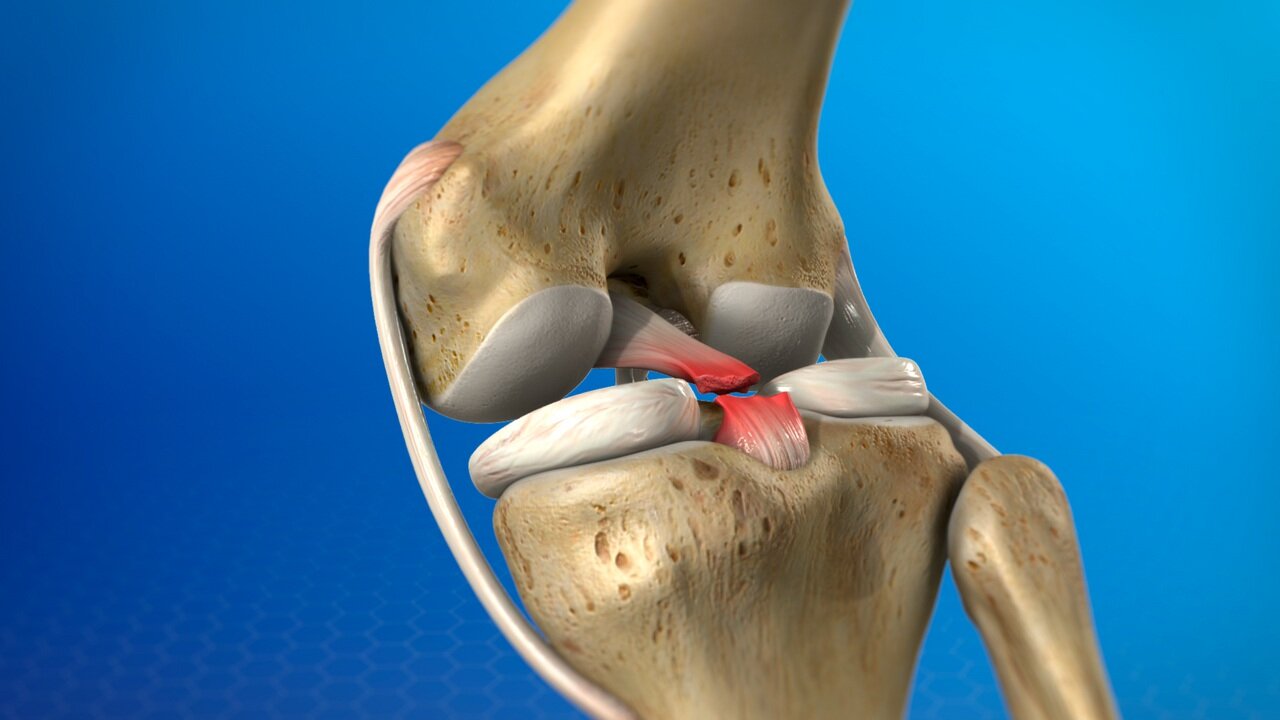
PCL reconstruction is a surgical procedure to repair a torn posterior cruciate ligament, one of the key ligaments that stabilizes the knee. The PCL is located at the back of the knee and prevents the shinbone (tibia) from moving too far backward relative to the thighbone (femur). While less common than ACL injuries, PCL tears can result from significant trauma or accidents.
Symptoms of PCL Reconstructions
- Pain and swelling: Typically occurs within a few hours of the injury, but may be less severe than with an ACL tear.
- Knee instability: A feeling that the knee “gives out” or feels unstable, especially during weight-bearing activities.
- Limited range of motion: Difficulty fully bending or straightening the knee.
- Bruising on the back of the knee: Due to the impact or trauma causing the PCL injury.
- Difficulty walking or bearing weight: In severe cases, walking may be painful or the knee may feel weak.
Popular Questions
PCL Reconstruction is a surgical procedure to repair or replace the posterior cruciate ligament in the knee, usually after injury or trauma.
You may need it if you experience knee instability, pain while walking downhill, or have had a high-impact injury diagnosed with a torn PCL.
The surgeon replaces the damaged PCL with a tendon graft using minimally invasive arthroscopic techniques.
Recovery can take 6–12 months, including physical therapy, to fully regain strength and mobility.
The procedure typically takes 1 to 2 hours and is often performed under general anesthesia.
Yes, physical therapy is essential for a successful recovery and helps restore knee function.
Like all surgeries, risks include infection, stiffness, blood clots, or graft failure, but complications are uncommon with proper care.
Most patients can return to sports after completing rehab, usually around 9–12 months post-surgery.
It is generally covered if deemed medically necessary. Always check with your insurer for specific details.
Untreated PCL injuries can lead to chronic knee instability, pain, and long-term joint damage like arthritis