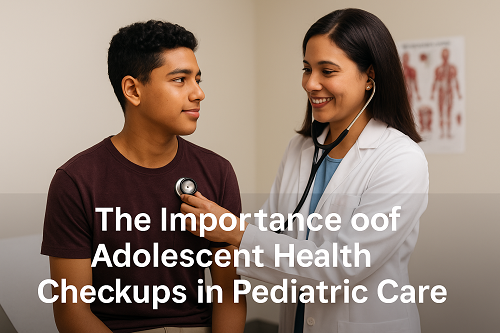

Child Growth & Development Assessment
Child Growth & Development Assessment is a vital pediatric service that monitors a child’s physical growth and developmental milestones to ensure they are progressing appropriately for their age. It involves regular evaluation of a child’s height, weight, head circumference, and body mass index (BMI), along with developmental screenings that assess motor skills, language, cognition, and social-emotional behavior.
This service helps in the early identification of growth disorders, nutritional deficiencies, or developmental delays. If any concerns are detected, timely referrals and interventions can significantly improve outcomes. It also provides reassurance and guidance to parents on supporting their child’s healthy development at each stage.
Ideal for children from birth through adolescence, this assessment plays a key role in preventive child healthcare.
Symptoms of Newborn Care & Consultation
- Poor Weight Gain or Weight Loss: Weight below expected range for age.Falling percentiles on the growth chart
- Short Stature or Height Concerns: Height significantly below age norms
- Developmental Delays: Delayed sitting, crawling, walking, or talking
- Speech & Language Concerns: Not babbling by 12 months.No clear words by 18 months
- Abnormal Muscle Tone or Posture: Floppiness (hypotonia) or stiffness (hypertonia)
- Poor Eye Contact or Social Interaction: Lack of smiling, pointing, or responding to caregivers
Popular Questions
This is a comprehensive evaluation of your child’s physical growth (height, weight, head circumference) and developmental milestones (motor skills, speech, behavior, learning, and social interaction) to ensure age-appropriate progress and identify any concerns early.
Assessments typically begin at birth and continue regularly during well-baby visits and annual checkups. Key evaluation ages include:
- Birth to 2 years: every 2–3 months
- Ages 2–5: every 6 months
- After 5 years: annually or as needed
The pediatrician will observe your child’s gross motor skills (like sitting, walking), fine motor skills (like grasping), language abilities, cognitive skills (problem-solving), and social-emotional behaviors based on standardized developmental checklists.
Your child’s height, weight, and BMI are plotted on growth charts to compare them with peers of the same age and gender. Consistent growth along a percentile curve typically indicates healthy development.
Delays may include not sitting by 8 months, not walking by 18 months, no meaningful words by 2 years, poor social interaction, or difficulty following commands. If such signs are present, a developmental screening is recommended.
Yes. Poor weight gain, stunted height, or abnormal BMI may suggest undernutrition or vitamin/mineral deficiencies (e.g., iron, vitamin D), which can be confirmed through lab tests and addressed through dietary guidance.
If a delay or disorder is suspected, your pediatrician may refer your child to a specialist such as a speech therapist, physiotherapist, occupational therapist, developmental pediatrician, or endocrinologist depending on the issue.
No. Most assessments are observation-based, involve gentle physical examination, growth measurements, and parent interviews. If needed, simple blood or imaging tests may be recommended separately.
Absolutely. These checkups are the right time to raise concerns about tantrums, attention issues, learning difficulties, social behavior, or sleep patterns.
Yes, growth and development assessments are typically included in routine well-baby or annual pediatric checkups. However, more detailed screenings or referrals may involve separate appointments or services.