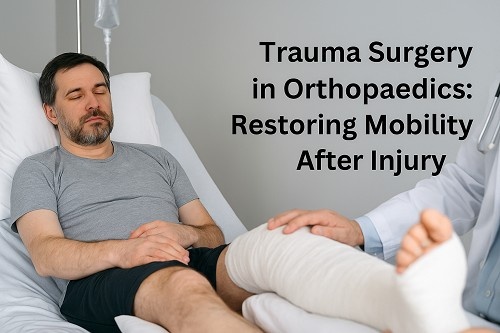
Trauma Surgery
Trauma surgery is a very specialized field of medicine that deals with the diagnosis, proper treatment, and management of injuries resulting from accidents, falls, or violent incidents. The aim of the best trauma surgery in Ahmedabad is to provide rapid and effective medical care to patients who have suffered serious injuries, in order to minimize complications and improve their chances of survival
A trauma surgeon can perform the procedure on their own or in a surgical team, contingent on the severity of the injury. A general surgeon can also join the team at times.One surgery session could require the surgeon to deal with multiple aspects of your body, contingent on the injury. A trauma surgeon usually prioritizes what they do to treat your injuries when they occur, since they may involve bones, internal organs, as well as soft tissues.
After recovery and rehab following surgeries, trauma surgeon typically assist patients while they recover from the surgery. They can diagnose ailments, conduct tests, and prescribe medicines for post-surgical and pre-surgical.
Symptoms of Trauma Surgery
- Severe pain at the injury site: Sudden, intense pain that does not improve with rest or over-the-counter medications.
- Visible bone deformity: Limbs appear bent, twisted, or out of alignment (suggesting fracture or dislocation).
- Inability to move a limb or joint: Loss of function in the affected area, such as not being able to walk, lift an arm, or bend a knee.
- Swelling and bruising: Rapid swelling, discoloration, or visible bruising near the injury.
- Open wounds with exposed bone: Compound (open) fractures where the bone protrudes through the skin.
- Numbness or tingling: May indicate nerve damage or compromised blood flow.
Popular Questions
Trauma surgery involves emergency procedures to treat severe injuries from accidents, falls, or violence, often affecting bones, joints, and soft tissues.
Fractures, dislocations, soft tissue injuries, internal bleeding, and complex wounds often require trauma surgery.
No, it also addresses non-life-threatening but serious injuries that need timely surgical care to prevent complications.
Trauma surgery is urgent and deals with unexpected injuries, while elective orthopedic surgery is planned for chronic or degenerative issues.
Surgeons stabilize broken bones, repair damaged tissues, control bleeding, and sometimes implant hardware like plates or screws.
It’s typically performed as soon as the patient is stabilized and imaging confirms the extent of injury—often within hours.
Recovery depends on injury severity but usually involves hospitalization, pain management, wound care, and physical therapy.
Outcomes are generally good with prompt treatment and rehabilitation, but complications can occur depending on the injury.
In some cases, additional surgeries may be needed for hardware removal, soft tissue reconstruction, or delayed healing.
Many patients regain full or near-full function, especially with proper rehab, though results vary based on injury complexity.