Cartilage Surgery
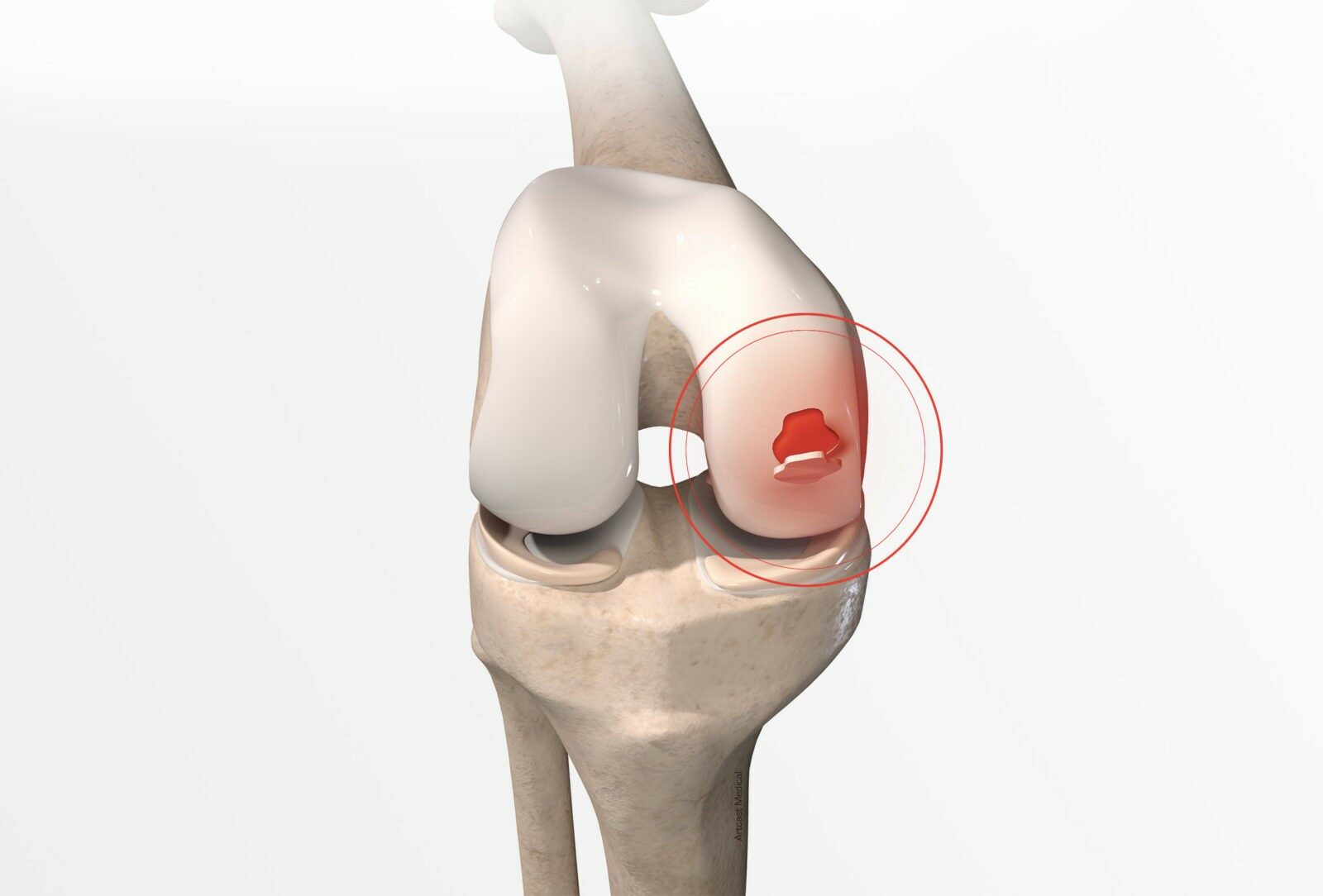
Cartilage surgery is performed to repair or replace damaged cartilage in joints, particularly in the knee, hip, and shoulder. Cartilage, a smooth, rubber-like tissue, covers the ends of bones in joints and allows for smooth movement. Unlike other tissues, cartilage lacks a direct blood supply, making it difficult to heal on its own when injured or worn down. Cartilage damage can lead to pain, joint stiffness, and impaired mobility, and may eventually progress to osteoarthritis if left untreated.
Symptoms of Cartilage Surgery
Cartilage damage often presents the following symptoms:
- Pain in the joint: Particularly during weight-bearing activities.
- Swelling: This can develop around the affected joint due to inflammation.
- Stiffness and reduced range of motion: Difficulty in fully moving the joint.
- Joint instability: The joint may feel like it’s locking or giving way.
- Clicking or grinding sensation: This occurs due to the uneven surfaces rubbing together in the joint.
Popular Questions
Cartilage surgery repairs or restores damaged joint cartilage, often in the knee, to reduce pain and improve mobility.
It is recommended for patients with cartilage damage due to injury, arthritis, or wear-and-tear that hasn't improved with non-surgical treatments.
Common options include microfracture, cartilage grafting, autologous chondrocyte implantation (ACI), and osteochondral transplantation.
Yes, many cartilage procedures are performed arthroscopically using small incisions and a camera.
Recovery varies by procedure but typically takes 3–6 months, including physical therapy.
Yes, rehab is crucial to restore joint strength, flexibility, and prevent re-injury.
Some discomfort is expected after surgery, but pain is managed with medication and decreases as healing progresses.
Some procedures stimulate the body’s natural repair process, while others replace damaged cartilage with healthy tissue.
Results can be long-lasting, especially if followed by proper rehab and lifestyle care, but may vary based on age, activity level, and extent of damage.
Untreated cartilage damage can worsen over time, leading to chronic pain, joint stiffness, and eventually arthritis.