Vaccination Clinic
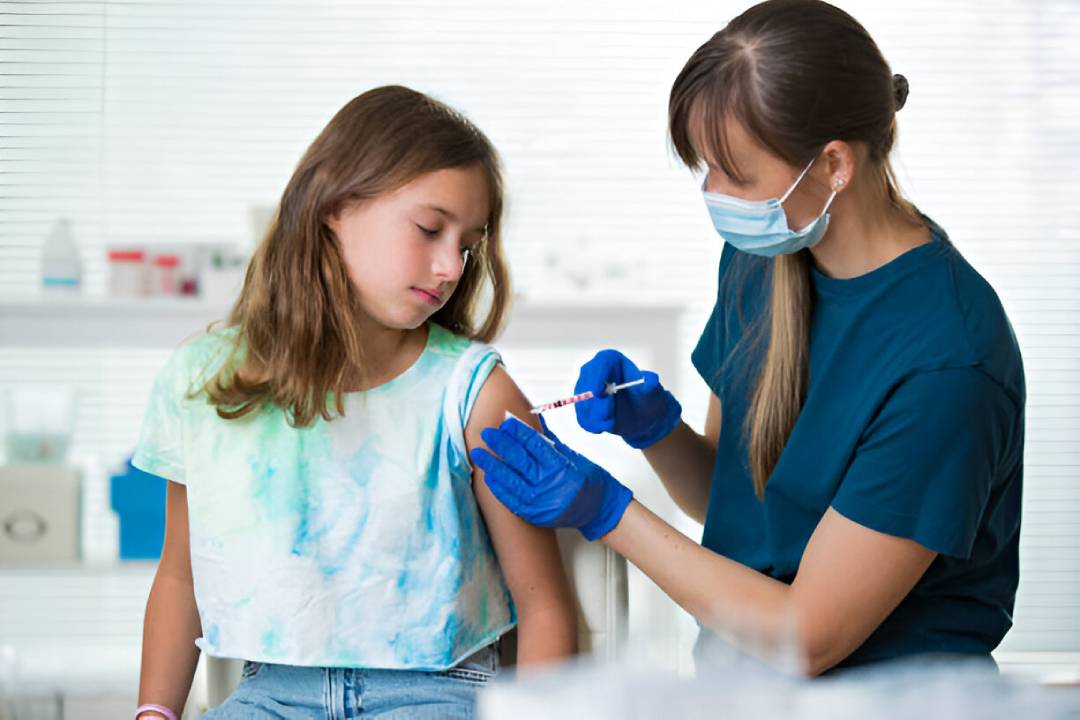
A Vaccination Clinic is a dedicated pediatric service that provides timely and age-appropriate immunizations to protect children from serious and potentially life-threatening infectious diseases. This service follows national and international immunization schedules, ensuring your child receives all essential vaccines from birth through adolescence.
The clinic not only administers routine vaccines (such as BCG, Hepatitis B, OPV, Pentavalent, MMR, and DPT), but also offers optional and travel-related vaccines based on individual needs. Pediatricians also provide vaccine counseling, track immunization records, and educate parents on possible side effects and post-vaccine care.
Regular visits to the vaccination clinic ensure your child’s immunity is up to date and helps in building long-term protection against preventable diseases in a safe, supportive environment.
Symptoms of Newborn Care & Consultation
- Missed Vaccination Milestones: Child did not receive scheduled vaccines at birth, 6 weeks, 10 weeks, 14 weeks, etc.
- Exposure to Infectious Disease: Recent contact with someone who has measles, chickenpox, or hepatitis.
- Travel Requirements: Child traveling to an area requiring yellow fever, typhoid, meningococcal, or Japanese encephalitis vaccines
- School or Daycare Requirements: Admission forms requiring vaccine completion
- Fever or Reaction After Previous Vaccination: Prior fever, rash, or swelling post-immunization may need medical review before next dose
- Injuries Requiring Tetanus Protection: Cuts, wounds, or animal bites may need tetanus or rabies post-exposure prophylaxis
Popular Questions
A Vaccination Clinic is a dedicated healthcare service that provides scheduled immunizations to protect children and adults from infectious diseases. It ensures timely administration of vaccines according to national and international guidelines.
Vaccines protect children from serious, potentially life-threatening illnesses like polio, measles, diphtheria, hepatitis, and pneumonia. They help build lifelong immunity and prevent the spread of contagious diseases.
Vaccination begins at birth with BCG, OPV (Oral Polio Vaccine), and Hepatitis B. Follow-up vaccines are given at 6, 10, and 14 weeks, and continue at regular intervals through childhood and adolescence.
Key vaccines include:
- BCG
- Hepatitis B
- OPV/IPV (Polio)
- Pentavalent (DPT, Hepatitis B, Hib)
- Rotavirus
- Pneumococcal
- MMR (Measles, Mumps, Rubella)
- Typhoid
- Tetanus, Diphtheria, Pertussis (booster doses)
Yes. Optional vaccines such as Influenza, Chickenpox, Hepatitis A, HPV (for adolescents), and Meningococcal are available based on the child’s age, risk factors, or travel requirements.
Usually, mild illnesses like a common cold or low-grade fever are not a reason to delay vaccination. However, your pediatrician will evaluate your child before administering any vaccine.
Mild side effects include:
- Low-grade fever
- Pain, redness, or swelling at the injection site
- Fussiness or tiredness (in infants) /n These are normal and usually go away within 1–2 days.
If a dose is missed, the vaccination schedule can be safely resumed without restarting the entire series. A catch-up plan will be created by your pediatrician.
Yes. Giving multiple vaccines at the same visit is safe and effective. It reduces the number of visits and ensures timely protection against multiple diseases.
Yes. Most vaccination clinics provide a vaccination card or digital immunization record. This is important for school admissions, travel, or healthcare purposes.