
School Physical & Fitness Certificates
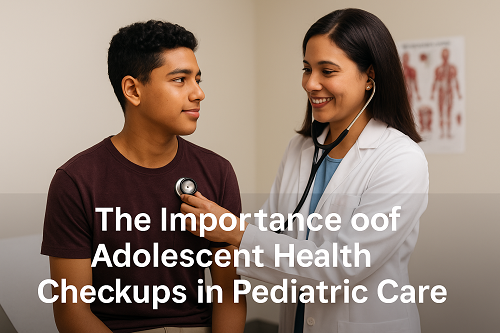
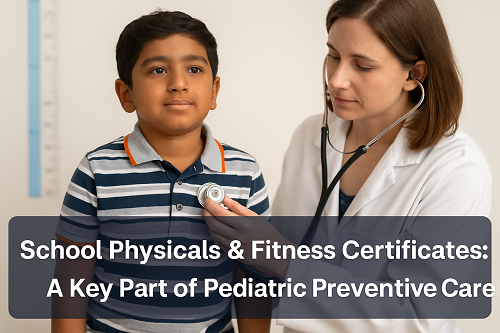
School Physicals & Fitness Certificates are routine health checkups performed by pediatricians to ensure that children are physically fit and medically cleared for school enrollment, sports participation, and extracurricular activities. These evaluations help identify any health concerns early, verify immunization records, and assess a child's physical development, vision, hearing, and overall fitness.
This service is often required by schools before admission, participation in athletic events, field trips, or after recovery from a major illness. The goal is to ensure that each child is healthy, developmentally on track, and able to safely engage in school activities.
Symptoms of Newborn Care & Consultation
- Participation in Sports or Athletics: Child plans to join school sports teams or physical education activities.
- Admission to a New School or Grade: Physical exam required as part of school enrollment.
- Recent Recovery from Illness or Injury: Returning to school after surgery, hospitalization, or a serious condition.
- Unexplained Fatigue or Low Stamina: Child complains of tiredness during school or physical activities.
- Behavioral or Learning Concerns: To rule out hearing, vision, or neurological issues affecting learning.
- Incomplete Vaccination Records: School requires up-to-date immunization status.
Popular Questions
A school physical is a routine health checkup performed by a pediatrician to assess a child’s overall health, growth, development, and fitness for school activities, including academics, sports, and extracurricular programs.
Many schools require a fitness certificate to ensure that students are medically fit to attend classes, participate in physical education, or join athletic activities. It helps safeguard children's health and promotes early detection of potential concerns.
Typically, children need a physical:
- At the time of school admission.
- Annually, as required by some institutions.
- Before participating in sports, camps, or field trips.
- After recovery from a serious illness or surgery.
A school physical usually includes:
- Height, weight, and BMI check.
- Vision and hearing screening
- Vital signs (blood pressure, heart rate, etc.)
- Musculoskeletal and neurological assessment
- Review of immunizations and medical history
Yes, pediatricians may screen for signs of developmental, behavioral, or learning issues and refer for further evaluation if needed. Vision and hearing assessments also help rule out common learning obstacles.
The validity of the certificate depends on school guidelines. Typically, it remains valid for 6 to 12 months unless there is a major change in the child’s health condition.
Yes. Many parents choose to combine the school physical with a regular well-child visit, which includes all necessary health evaluations and updates.
Absolutely. The pediatrician will check your child's immunization status and administer any pending vaccines as per the national immunization schedule or school requirements.
Routine lab tests are not typically required, unless there are specific symptoms or risk factors. If needed, the doctor will recommend them during the visit
Some aspects (like medical history review) can be done online, but the full physical examination and certification require an in-person visit.